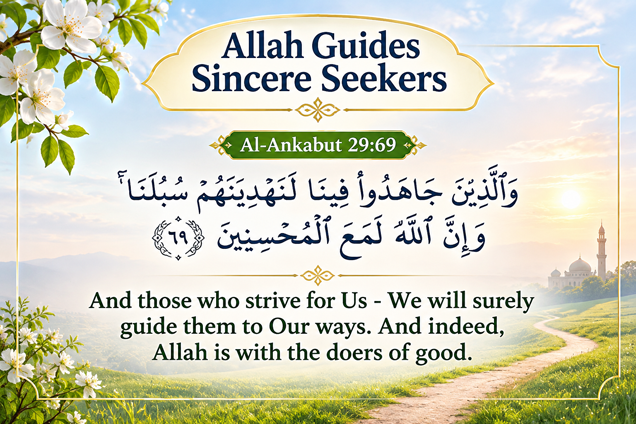
 Qur’anic Verses About Guidance to the Truthلهداية إلى الحق
20 selecte
 {loadmoduleid 116}
 1. Fulfill an Obligation Upon Us
Da’wah is recognised by the majority of scholars as being obligat
 Quran verses about Dawah
مَا عَلَى الرَّسُولِ إِلَّا الْبَلَاغُ و
 Objection to Islam is often raised against the death penalty prescribed for apostasy (abandonment
 Homosexualityand lesbianism have been dubbed “alternative life-styles,” “personal prefe

- Details
- Written by Administrator
- Category: Introduction to Dawah
- Hits: 137

In our present time, the means for active spoken or written Da’wah (invitation to Allah) are numerous, from writing books; and pamphlets, giving lectures, to recording educational videos and spreading them on various social media. The scope of possibilities is very wide and evolving.
Before entering that field of work as mentioned by all the scholars, it is essential to have a strong understanding of Islam gained from reputable Sunni (The followers of the Prophetic tradition) scholars. Many brothers and sisters have entered that field but not everyone that acquired knowledge is blessed with proper understanding and not everyone with proper understanding are able to effectively convey that knowledge.
However if we have gained some sound knowledge for which clear evidence has been established, it is our duty to transmit that knowledge and, if needed, to also inform the person(s) we are advising that this is the extent of what we know as granted by Allah. And if our invitee would like to have more detailed information, we would be glad to put him or her in contact with a more educated person. Demonstrating humility and sincerity can help build trust in relationships.
Let us always remember that the essence of the message is to revive in the hearts of men, the understanding of the Greatness of Allah and His Unity.
Allah holds complete sovereignty and possesses an all-encompassing understanding of all that is seen or unseen, spanning across time – from the past to the present and the future.
Realization of Tawheed is the journey of the soul and the means to achieve it is complex but simple.
Then you will ask what does it mean ? There is a concept in Islam that is called Fitrah. In short it means that human beings are born with a good nature predisposed to realize Tawheed.
The Fitrah
Description: The predisposition in humans to worship One God.
By Dr. Bilal Philips
 When a child is born, it has with it a natural belief in God. This natural belief is called in Arabic the Fitrah[1] If the child were left alone, it would grow up aware of God in His oneness, but all children are affected by the pressures of their environment whether directly or indirectly. The Prophet, may the mercy and blessings of God be upon him, reported that Allah said:
وَإِنِّي خَلَقْتُ عِبَادِي حُنَفَاءَ كُلَّهُمْ وَإِنَّهُمْ أَتَتْهُمُ الشَّيَاطِينُ فَاجْتَالَتْهُمْ عَنْ دِينِهِمْ
I have created My servants as one having a natural inclination to the worship of Allah but it is Satan who turns them away from the right religion.
Source: Saheeh Muslim
The Prophet also said:
كُلُّ مَوْلُودٍ يُولَدُ عَلَى الْفِطْرَةِ، فَأَبَوَاهُ يُهَوِّدَانِهِ أَوْ يُنَصِّرَانِهِ أَوْ يُمَجِّسَانِهِ، كَمَثَلِ الْبَهِيمَةِ تُنْتَجُ الْبَهِيمَةَ، هَلْ تَرَى فِيهَا جَدْعَاءَ
Each child is born in a state of Fitrah, but his parents make him a Jew or a Christian. It is like the way an animal gives birth to a normal offspring. Have you noticed any (young animal) born mutilated before you mutilate them.
Source: Saheeh Al-Bukhari
So, just as the child’s body submits to the physical laws which God has put in nature, its soul also submits naturally to the fact that God is its Lord and Creator. But its parents try to make it follow their own way and the child is not strong enough in the early stages of its life to resist or oppose its parents. The religion which the child follows at this stage is one of custom and upbringing and God does not hold it to account or punish it for this religion. When the child matures in youth and clear proofs of the falsehood of his religion are brought to him, the adult must now follow the religion of knowledge and reason.[2]
At this point the devils try their best to encourage him to stay as he is or to go further astray. Evils are made pleasing to him and he must now live in the midst of a struggle between his Fitrah and his desires in order to find the right road. If he chooses his Fitrah, God will help him overcome his desires even though it may take most of his life to escape, for many people enter Islam in their old age although most tend to do so before that.
Because of all these powerful forces fighting against the Fitrah God chose certain righteous men and revealed to them clearly the right path in life. These men whom we call prophets were sent to help our Fitrah defeat its enemies. All the truths and good practices present in societies around the world today came from their teachings, and if it were not for their teachings, there would be no peace or safety in the world at all.For example, the laws of most Western countries are based on the Ten Commandments of Prophet Moses, like “Thou shalt not steal and Thou shalt not kill etc.”, even though they claim to be secular governments, free from the influence of religion.
Thus, it is man’s duty to follow the way of the prophets since it is the only way which is truly in harmony with his nature. He should also be very careful not to do things simply because his parents and their parents did it, especially if knowledge reaches him that these practices are wrong. If he does not follow the truth, he will be like those misguided people about whom God says in the Quran:
وَإِذَا قِيلَ لَهُمُ اتَّبِعُوا مَا أَنْزَلَ اللَّهُ قَالُوا بَلْ نَتَّبِعُ مَا أَلْفَيْنَا عَلَيْهِ آبَاءَنَا أَوَلَوْ كَانَ آبَاؤُهُمْ لَا يَعْقِلُونَ شَيْئًا وَلَا يَهْتَدُونَ
If they are told to follow what God has revealed, they say: No, we will continue to follow what we found our foreparents doing! Even though their foreparents did not comprehend anything nor were they rightly guided. (Quran 2:170)
God forbids us from obeying our parents if what they want us to do is against the way of the prophets.
He said, in the Quran:
وَوَصَّيْنَا الْإِنْسَانَ بِوَالِدَيْهِ حُسْنًا وَإِنْ جَاهَدَاكَ لِتُشْرِكَ بِي مَا لَيْسَ لَكَ بِهِ عِلْمٌ فَلَا تُطِعْهُمَا إِلَيَّ مَرْجِعُكُمْ فَأُنَبِّئُكُمْ بِمَا كُنْتُمْ تَعْمَلُونَ
We advise man to be good to his parents, but if they try to make you do in My name what you know to be false, do not obey them. (Quran 29:8)
Born Muslim
Those who are fortunate to be born in Muslim families must be aware that all such Muslims are not automatically guaranteed paradise, because the Prophet warned that a large part of the Muslim nation would follow the Jews and Christians so closely that if they entered the den of a lizard, Muslims would climb in after them as well.[3] He also said that before the Last Day some people would actually worship idols.[4]
Today, there are Muslims all around the world praying to the dead, building tombs and masjeeds over graves and even performing rites of worship around them. There are even some who claim to be Muslim and worship Ali as God.[5] Some have turned the Quran into a good luck charm which they hang on chains around their necks, in their cars or on key chains etc.
Therefore, those born into such a Muslim world who blindly follow whatever their parents did or believed, have to stop and think whether they are simply a Muslim by chance or a Muslim by choice, whether Islam is what their parents, tribe, country, or nation did or does, or what the Quran teaches and what the Prophet and his companions did.
Footnotes:
[1] Al-Aqeedah at-Tahaaweeyah, (5th ed.: 1972). p.273.
[2] Al-Aqeedah at-Tahaaweeyah, (5th ed.: 1972). p.273.
[3] Saheeh Al-Bukhari, Saheeh Muslim
[4] Saheeh Al-Bukhari, Saheeh Muslim
[5] The Nusayris of Syria and the Druzes of Palestine and Lebanon
We have studied quite truthfully the types of Tawheed that explain simply the concept of worshipping Allah Alone and without associates.
So ultimately our goal is to realize complete monotheism. And to achieve this ultimate goal we need to reform ourselves inwardly and outwardly. This is what Da’wah (invitation to Allah) is, to gradually transform the hearts, and understanding of how our relation to Allah and the world around us should be and to put it I practice.
It is like going to a doctor and having the doctor telling us we need to be healthy , good everybody would agree to that but the doctors fails to explain us how to achieve good health and he does not inform us of the gravity of some of our habits. The Dahi(an inviter to Islam)is like the family doctor he needs to know the patient, his background, the habits of the patient, his surroundings, its condition of living. The good Dahi should be able to bring the invite to see by himself where he needs to make changes and improvements in order to live according to what would cause Allah’s blessings in his or her life.
Muslim scholars have divided aspects of monotheism into three categories:
- Oneness of Lordship (tawheed ar-rububiyyah),
- Oneness of Godship (tawheed al-uluhiyyah),
- Oneness of Names and Attributes (tawheed asma wa sifat).
Ibn Abi Al-‘Izz writes in his commentary on Aqidah At-Tahawi:
فَالتَّوْحِيدُ أَوَّلُ الْأَمْرِ وَآخِرُهُ أَعْنِي تَوْحِيدَ الْإِلَهِيَّةِ فَإِنَّ التَّوْحِيدَ يَتَضَمَّنُ ثَلَاثَ أَنْوَاعٍ أَحَدُهَا الْكَلَامُ فِي الصِّفَاتِ وَالثَّانِي تَوْحِيدُ الرُّبُوبِيَّةِ وَبَيَانُ أَنَّ اللَّهَ وَحْدَهُ خَالِقُ كُلِّ شَيْءٍ وَالثَّالِثُ تَوْحِيدُ الْإِلَهِيَّةِ وَهُوَ اسْتِحْقَاقُهُ سُبْحَانَهُ وَتَعَالَى أَنْ يُعْبَدَ وَحْدَهُ لَا شَرِيكَ لَهُ
Monotheism is the beginning of the matter and its end. What is meant by this is the belief in the unity of God, for monotheism has three dimensions: first, matters concerning the attributes of Allah; second, the oneness of Lordship which states that Allah alone created everything; third, the oneness of Godship which states that Allah alone should be worshiped without associating any partners with Him.
Source: Sharh Aqidah At-Tahawi 24The oneness of Allah’s Lordship is the belief that Allah alone has created the universe, that He alone is its Provider and Sustainer, and that He has complete ownership and power over His creation. In other words, Allah is one and unique in regard to His actions, such that no creature shares His power in creating and managing the universe.
Allah said:
إِنَّ رَبَّكُمُ اللَّهُ الَّذِي خَلَقَ السَّمَاوَاتِ وَالْأَرْضَ فِي سِتَّةِ أَيَّامٍ ثُمَّ اسْتَوَى عَلَى الْعَرْشِ يُغْشِي اللَّيْلَ النَّهَارَ يَطْلُبُهُ حَثِيثًا وَالشَّمْسَ وَالْقَمَرَ وَالنُّجُومَ مُسَخَّرَاتٍ بِأَمْرِهِ أَلَا لَهُ الْخَلْقُ وَالْأَمْرُ تَبَارَكَ اللَّهُ رَبُّ الْعَالَمِينَ
Verily, your Lord is Allah who created the heavens and earth in six days and then established Himself above the Throne. He covers the night with the day, chasing it rapidly, and the sun, the moon, and the stars are subjected to His command. Unquestionably, for Him is the creation and the command. Blessed is Allah, the Lord of the worlds. [Surah Al-A’raf 7:54]
The oneness of Allah’s Godship is the belief that Allah alone has the right to be worshiped by His creatures. All prayers, rituals, and acts of worship in Islam must be done with a sincere intention for the sake of Allah alone. In other words, Allah is one and unique in regard to the actions He deserves from His servants.
Allah said:
يَاأَيُّهَا النَّاسُ اعْبُدُوا رَبَّكُمُ الَّذِي خَلَقَكُمْ وَالَّذِينَ مِنْ قَبْلِكُمْ لَعَلَّكُمْ تَتَّقُونَ
O mankind, worship your Lord who created you and those before you that you may become righteous. [Surah Al-Baqarah 2:21]
Ibn Abbas said:
اللَّه ذُو الْأُلُوهِيَّة وَالْمَعْبُودِيَّة عَلَى خَلْقه أَجْمَعِينَ
Allah is the one possessing divinity and the right to be worshiped by the entire creation.
Source: Tafseer At-Tabari 1:1
The oneness of Allah’s Names and Attributes is the belief that Allah alone possesses perfect names and divine attributes. Allah’s beautiful names indicate that His might is perfect, His knowledge is perfect, His mercy is perfect, His justice is perfect, His wisdom is perfect, and all of His attributes are pure, holy, and flawless. Furthermore, none of His creatures can share in His attributes of perfection.
Allah said:
هُوَ اللَّهُ الَّذِي لَا إِلَهَ إِلَّا هُوَ عَالِمُ الْغَيْبِ وَالشَّهَادَةِ هُوَ الرَّحْمَنُ الرَّحِيمُ (22) هُوَ اللَّهُ الَّذِي لَا إِلَهَ إِلَّا هُوَ الْمَلِكُ الْقُدُّوسُ السَّلَامُ الْمُؤْمِنُ الْمُهَيْمِنُ الْعَزِيزُ الْجَبَّارُ الْمُتَكَبِّرُ سُبْحَانَ اللَّهِ عَمَّا يُشْرِكُونَ (23) هُوَ اللَّهُ الْخَالِقُ الْبَارِئُ الْمُصَوِّرُ لَهُ الْأَسْمَاءُ الْحُسْنَى يُسَبِّحُ لَهُ مَا فِي السَّمَاوَاتِ وَالْأَرْضِ وَهُوَ الْعَزِيزُ الْحَكِيمُ (24)
He is Allah, other than whom there is no divinity, knower of the unseen and the witnessed. He is the Gracious, the Merciful. He is Allah, other than whom there is no God, the Sovereign, the Pure, the Perfection, the Faithful, the Overseer, the Almighty, the Compeller, the Supreme. Exalted is Allah above whatever they associate with Him. He is Allah, the Creator, the Inventor, the Fashioner, to Him belong the best names. Whatever is in the heavens and earth is exalting Him, for He is the Almighty, the Wise. [Surah Al-Hashr 59:22-24]
These three categories are not mutually exclusive, but rather they overlap and they are integral aspects of the singular concept of Islamic monotheism. For example, the oneness of Lordship and Godship are the result of affirming Allah’s two names: “the Lord” (Ar-Rabb) and “the God” (Allah).
If a Muslim falls short in any of these categories, then he will have committed idolatry (shirk). The word “idolatry” comes from the root sh-ra-ka meaning “to partner, to share” and it means to associate partners with Allah in His Lordship, His right to be worshiped, or His divine attributes.
Idolatry is the chief sin which serves as a basis for all other sins, for idolatry opens the way toward fulfilling lustful passions, living selfishly, and transgressing the rights of others.
Allah said:
وَلَا تَجْعَلُوا مَعَ اللَّهِ إِلَٰهًا آخَرَ ۖ إِنِّي لَكُم مِّنْهُ نَذِيرٌ مُّبِينٌ
Do not make another divinity alongside Allah. Verily, I have given you a clear warning. [Surah Adh-Dhariyat 51:51]
Acts of idolatry committed without repentance will cause all of a servant’s good deeds to be destroyed and he will be punished in the Hellfire.
Allah said:
إِنَّ اللَّهَ لَا يَغْفِرُ أَنْ يُشْرَكَ بِهِ وَيَغْفِرُ مَا دُونَ ذَلِكَ لِمَنْ يَشَاءُ وَمَنْ يُشْرِكْ بِاللَّهِ فَقَدِ افْتَرَى إِثْمًا عَظِيمًا
Verily, Allah does not forgive association with Him, but He forgives what is less than that for whom He wills. He who associates others with Allah has certainly fabricated a tremendous sin. [Surah An-Nisa 4:48]
And Allah said:
إِنَّهُ مَنْ يُشْرِكْ بِاللَّهِ فَقَدْ حَرَّمَ اللَّهُ عَلَيْهِ الْجَنَّةَ وَمَأْوَاهُ النَّارُ وَمَا لِلظَّالِمِينَ مِنْ أَنْصَارٍ
Verily, Allah has forbidden Paradise for one who associates with Allah and his refuge will be the Hellfire. There will be no helpers for the wrongdoers. [Surah Al-Ma’idah 5:72]
Therefore, we must study our creed and specifically the principles of monotheism in order to protect ourselves from falling into idolatry.
We ask Allah to guide us to complete monotheism and to save us from associating partners with Him.
If understanding the general concept seems easy, to translate it in our daily lives and to achieve it in ourselves takes time, dedication, discipline, it is a gradual transformation. It could be compare to walking a mountain path over a high mountain. In itself it is just a matter to put one foot in front of the other. Not everybody will reach the final destination some people will become distracted away from the path knowingly or unknowingly. Some will run and fall or will become sick. Some will be careless in dangerous zones.
To reach our goal is not a matter of strength or speed. To be successful in our quest to achieve Tawheed in our lives we need to clearly understand our goal and make all the necessary efforts to change ourselves. It is only by applying sincerely the teachings of the Quran and the Sunnah on ourselves that we can achieve our goals.
Once the concept of Tawheed is clarified and understood, whoever needs to improve his behavior should take example from the Prophet Mohammed whoever needs to improve or correct the manner in which he accomplishes the rituals should also follow the Prophet . And so forth in every aspect of our lives in our struggle for halal economic activities or income in the way we feed ourselves based on a true Halal food consumption.
And it is the central role of every Masjid and every Islamic Center to guide their communities to achieve that realization.
It is the role of every Masjid to provide and supervise regular Islamic education classes for adult men and women and for children. It is also the role of the Masjid or Islamic Centers in minority muslim countries to :
Actively Build The Community
- A – Provide on top of the above-mentioned classes social and sport activities for both men and women.
- B – Youth activities. To establish as well summer camps for Muslim children that would allow the parents educators and administrators to struggle together for the establishment of well connected well supported community.
- C – It is desirable for these Islamic Centers to acquire land and commercial properties for the benefit of the Muslim Community.
- D – The Sisters as well should be supported in these endeavors to prepare the future generation of wives and mothers to be leaders and example of Muslim Women in a non-Islamic environment. Appropriate space, activities and budget needs to be set aside on a continuous base for the community to be strong , the women have to be properly informed educated and prepared for their vital role in a healthy community.
- E – Well trained groups of brothers and sisters have to be available for family, youth, and crisis support.
In short a very big part of a successful Da’wah (invitation to Allah) is to first establish a strong interconnected community. And this is something that we have a long experience with. Building communities start by serving the needs and providing social and educational events for the members of the Masjid.
Examples: Monthly or bi monthly family’s gatherings at the Center or any other venues.
Preparing before the day of the gathering, schedule of events starting before Asr(Afternoon) prayer, open time for adult children games sport activities etc. After Maghreb always favor lectures about how to increase faith with practical examples from Quran and Sunnah. For the children some Islamic Quizzes . And for the sisters if available it is better to have other sisters to provide educational lectures . The changes in the community will be quickly felt. And always the involvement of the women will surpass the expectations. Even the children and the teenagers will show desires for these events to happen more often.
One element that largely contribute to get the wider community involve is to ask during special meetings the kind of subjects they would like to be presented.
The men being the protectors and providers of the women it is vital for men to realize that the wellbeing of the community is their responsibility and therefore having the women contributing and involved actively in the education and social training of their sisters, daughters, and mothers. The men must provide space and funds for the women to complete their educational and social programs. Usually once started these women programs become financially independent.
To be successful and attract a wider base, women programs should not be exclusively religious but should include skills training ( computer, language, cooking ,motherhood advises, health issues, specifics for teenagers etc….)
One of the other benefits is that it will help get funding for the activities of the Center. Either the participants themselves will contribute or donators. Business people and other donators when they can see the community coming together in such peaceful and joyful manner will support it financially and other material needs.
And today with the importance of social websites keeping a web page active and interactive is a must have tool in building communities.
Likewise so many times when the community comes together we discover so many talented brothers and sisters who are looking for ways to serve the Deen of Islam ( religion of Islam) . Some brothers and sisters are too shy to come forward to offer services but when people meet play learn and eat together and have social activities brotherhood sisterhood and friendship starts building up. And spirit of belonging to a bigger family pushes people to give and sacrifice for the wellbeing and success of the group.
With a well trained connected and confident base it becomes so much easier to enter in programs like street Da’wah (invitation to Allah) or special events or open Masjeed day . With a well trained and connected base it becomes so much easier to schedule yearly Da’wah (invitation to Allah) goals and programs.
And here we need to open a small reminder about the importance of Brotherhood in Islam ad specifically to increase the emotional capacity of the Da’ees.
One of the most important qualities that the first Muslims developed was a heartfelt active solidarity and a heightened sense of brotherhood. This quality is a very important factor in the success or not of every Muslim community and it is also one of the most important characteristic that cements the faith of all the new Muslims. Unfortunately today it is not easy to find that genuine expression of fraternity . So lets take a look at what the Quran and the Prophet Mohammed teaches us regarding developing relationships based on the concept of brotherhood in Islam.
- Details
- Written by Administrator
- Category: Introduction to Dawah
- Hits: 141
The silent Da’wah that is incumbent on all adult Muslims males and females.
It is our every day conduct and behavior with our families neighbors colleagues at work on our way to work at the store in the parking lot on the roads when we drive etc.
The silent Da’wah (invitation to Allah) that is incumbent on all adult Muslims young and old is how we dress and walk how we celebrate and how we mourn how we eat and how we fast how we work how we play, every visible and invisible actions we accomplish in our daily life is Da’wah (invitation to Allah).
The Prophet Mohammed (ﷺ) before Islam was an embodiment of all good manners and good character. Allah had set him apart and prepared him to deliver the Message of Islam.
لَقَدْ جَاءَكُمْ رَسُولٌ مِنْ أَنْفُسِكُمْ عَزِيزٌ عَلَيْهِ مَا عَنِتُّمْ حَرِيصٌ عَلَيْكُمْ بِالْمُؤْمِنِينَ رَءُوفٌ رَحِيمٌ
[9:128] Saheeh International :” There has certainly come to you a Messenger from among yourselves. Grievous to him is what you suffer; [he is] concerned over you and to the believers is kind and merciful.”
وَمَا أَرْسَلْنَاكَ إِلَّا رَحْمَةً لِلْعَالَمِينَ
[21:107] Saheeh International: ”And We have not sent you, [O Muhammad (ﷺ) ], except as a mercy to the worlds.”
لَقَدْ كَانَ لَكُمْ فِي رَسُولِ اللَّهِ أُسْوَةٌ حَسَنَةٌ لِمَنْ كَانَ يَرْجُو اللَّهَ وَالْيَوْمَ الْآخِرَ وَذَكَرَ اللَّهَ كَثِيرًا
[33:21] Mubarakpuri: ”Indeed in the Messenger of Allah you have a good example to follow for him who hopes in Allah and the Last Day, and remembers Allah much.”
The Sahabas and Tabein expended the frontiers of Islam not on the land but in the hearts of all the people that they met.
Because they were so close to the example of the Prophet in belief and action.And today it is the same if we want to see the beauty and glory of Islam we have to emulate the example of the Prophet Mohammed and the Sahabas (companions of the Prophet) .
Da’wah (Invitation To Allah) As An Expression Of Gratitude To Allah
We can say safely that faith is the expression of gratitude and rituals and good manners are the means by which we express our gratitude. In the story of Adam and Eve after they were sent down to earth and Allah forgave their errors Adam was looking for a way to give thanks to Allah to have forgiven him and his wife Awa(Eve) and having seen the Angels glorifying and worshipping Allah in the Beit Al Mamun (house of worship) in Heaven by inspiration from Allah he built a small edifice to replicate the way the angels were glorifying Allah in Heaven. And him and his wife Hawa(Eve) started circumambulating the Ka’bah in imitation of what they saw the angels do in Paradise.
Gratitude has an act of worship from the heart that is expressed by our actions.
An example of this is clarified in the following verse from the Quran in Surah Al Qamar:
كَذَّبَتْ قَوْمُ لُوطٍ بِالنُّذُرِ(33) إِنَّا أَرْسَلْنَا عَلَيْهِمْ حَاصِبًا إِلَّا آلَ لُوطٍ نَجَّيْنَاهُمْ بِسَحَرٍ(34) نِعْمَةً مِنْ عِنْدِنَا كَذَلِكَ نَجْزِي مَنْ شَكَرَ (35)
The people of Lot denied the warning. (33) Indeed, We sent upon them a storm of stones, except the family of Lot – We saved them before dawn (34) As favor from us. Thus do We reward he who is grateful. (35)
Rejections or negligence regarding all the blessings that Allah has blessed us with is a form of disbelief. The all of Surah ArRahman is a clear warning of that fact.
According to Muslim traditions, Adam built the original Ka’ba as a copy of and directly below Allah’s throne in heaven. This structure was destroyed during the great Flood, leaving behind nothing but the foundation. The current structure was rebuilt by Abraham (Ibrahim) and his son Ishmael (Ismail).
إِنَّ أَوَّلَ بَيْتٍ وُضِعَ لِلنَّاسِ لَلَّذِي بِبَكَّةَ مُبَارَكًا وَهُدًى لِلْعَالَمِينَ
“Verily, the first House (of worship) appointed for mankind was that at Bakkah (Makkah), full of blessing, and a guidance for Al-Alameen (the mankind and jinns)” [Aal ‘Imraan 3:96].
Learning Gratitude
Gratitude – a simple word with a dynamic power in its meaning and application. We often forget to cultivate and practice gratitude, overlooking how life-changing it can be. An attitude of gratitude has the ability to make a harsh reality seem tolerable, giving light to a gloomy disposition and dispelling negative attitudes, thoughts, and feelings with wondrous speed.
Research done by the University of California, Berkeley, has revealed that gratitude leads to a stronger immune system, healthier blood pressure, greater joy, optimism, and sense of overall well-being, acting with more generosity and compassion, and feeling less lonely and isolated.
Participants in the study simply recorded five things they were grateful for each day. This small exercise proved to have enormous benefits. Imagine what a permanent attitude of gratitude can accomplish!
According to Islam, our ultimate gratitude is to Allah, our Creator and Sustainer who grants us existence and furnishes us with cognitive and emotional faculties, as well as the potential to understand and appreciate their value and benefit.
وَاللَّهُ أَخْرَجَكُمْ مِنْ بُطُونِ أُمَّهَاتِكُمْ لَا تَعْلَمُونَ شَيْئًا وَجَعَلَ لَكُمُ السَّمْعَ وَالْأَبْصَارَ وَالْأَفْئِدَةَ لَعَلَّكُمْ تَشْكُرُونَ
“It is He who brought you forth from the wombs of your mothers when you knew nothing, and He gave you hearing and sight and intelligence and affection so that you may give thanks [to Allah]” [Quran, 16:78]
Allah, our Maker, has given us abundant opportunities, to live and thrive on this earth. From the greatest creative enterprise to the most basic regularity of our beating hearts — all is owed to Him first and foremost. If we forget the elemental requirement of thankfulness, then we are only doing a disservice to ourselves. If we do not feel gratitude to the Creator, how can we be thankful to anyone else? How can we appreciate the good things in our own selves and in our daily experience? (Did you know that one of the attributes of Allah is Ash-Shakur, the “Appreciative One”?)
Not only did Allah give us our very lives, He has provided a beautiful world for us to abide in, with countless resources for our use. Allah says in the Quran:
اللَّهُ الَّذِي خَلَقَ السَّمَاوَاتِ وَالْأَرْضَ وَأَنْزَلَ مِنَ السَّمَاءِ مَاءً فَأَخْرَجَ بِهِ مِنَ الثَّمَرَاتِ رِزْقًا لَكُمْ وَسَخَّرَ لَكُمُ الْفُلْكَ لِتَجْرِيَ فِي الْبَحْرِ بِأَمْرِهِ وَسَخَّرَ لَكُمُ الْأَنْهَارَ (32) وَسَخَّرَ لَكُمُ الشَّمْسَ وَالْقَمَرَ دَائِبَيْنِ وَسَخَّرَ لَكُمُ اللَّيْلَ وَالنَّهَارَ (33) وَآتَاكُمْ مِنْ كُلِّ مَا سَأَلْتُمُوهُ وَإِنْ تَعُدُّوا نِعْمَتَ اللَّهِ لَا تُحْصُوهَا إِنَّ الْإِنْسَانَ لَظَلُومٌ كَفَّارٌ (34)
It is Allah who created the heavens and earth, who has sent down water from the sky and with it brought forth produce to nourish you; He has made ships useful to you, sailing the sea by His command, and the rivers too; He has made the sun and the moon useful to you, steady on their paths; He has made the night and day useful to you and given you some of everything you asked Him for. If you tried to count Allah’s favours you could never calculate them: man is truly unjust and ungrateful. [Quran, 14:32-34]
All that we have accomplished and all that we possess are due to Allah’s bountiful provision. We must recognize the powerful concept mentioned in the verse: that we would never be able to even count the blessings Allah has given us. After realizing that Allah’s blessings are fundamental to our existence and endless in their scope, who are we to be heedless and unthankful? That is nothing less than delusion of self-sufficiency.
Fruits Of Gratitude
Thanking Allah for our blessings seem obvious, but what about thanking Him even in the midst of hardship? In the Quran, Allah reminds us:
وَعَسَى أَنْ تُحِبُّوا شَيْئًا وَهُوَ شَرٌّ لَكُمْ وَاللَّهُ يَعْلَمُ وَأَنْتُمْ لَا تَعْلَمُونَ
“You may dislike something although it is good for you, or like something although it is bad for you: Allah knows and you do not.” [Qur’an 2: 216]
Although a hardship seems far from “something which is good” when we are enduring it, the feeling of gratitude during the difficulty has the power to transform the burden, lighten the load, and provide a perspective that looks beyond the moment’s distress. The test will, thus, be easier to bear, and the negative effects of the difficult situation will be offset by our determination to stay balanced and remain open to valuable lessons and opportunities to augment our Allah-consciousness.
Yet another fruit of gratitude is the promise of additional blessings.
وَإِذْ تَأَذَّنَ رَبُّكُمْ لَئِنْ شَكَرْتُمْ لَأَزِيدَنَّكُمْ وَلَئِنْ كَفَرْتُمْ إِنَّ عَذَابِي لَشَدِيدٌ
“And [remember] when your Lord proclaimed, ‘If you are grateful, I will surely increase you [in favor]; but if you deny, indeed, My punishment is severe’ ” [Quran, 14:7]
Being grateful to Allah will bring additional favors, while being ungrateful calls for Allah’s punishment. We will be asked about each and every gift that we have been given, as to whether or not we thanked Allah sufficiently. Will we be prepared with the right answer?
One of the most important quality in a Da’ee (an inviter to Islam) is gratitude
Let the remembrance of Allah guide you throughout the day.
Write a list at the end of each day of five things to be grateful for; keep a gratitude journal.
Practice thanking others for the simple things they do for you; write a thank you letter to someone who has impacted your life in a positive way.
Remember the people who are less fortunate than you, step into their shoes, empathize with their plight, and do something, even if small, to alleviate someone else’s difficulty.
When tough times set in, focus on the positives. Things could be much worse.
Remind yourself often to adopt the attitude of gratitude and smile!
Da’wah (invitation to Allah) is the most rewarded of all good deeds because it is firstly the work of the Prophets and once a person is lead to Islam on the account of our efforts we will get rewards for all the good deeds they did and if they have a descendance in Islam the rewards keep adding. Da’wah (invitation to Allah) is the most vibrant form of expression of gratitude for all the blessings Allah has blessed us with.
In conclusion to this chapter we see that faith and gratitude are embedded together and one is not possible without the other. From the most basic element of gratitude is to share from the blessings we have received. And is there a better blessing we have received than to be guided to follow the teachings of Islam. Therefore inviting, reminding, informing, our fellow human beings, Muslims and non muslims on how to achieve the goal for which we were created and find peace and contentment in this life and to be admitted in Paradise in the next life should be spontaneous.And if we cannot find that spontaneity in us well many verses in the Quran and numerous hadiths remind us of the importance of Da’wah (invitation to Allah).
Reminders From Quran And Hadith
Here are verses from the Quran mentioning the word Da’wah (invitation to Allah) or an expression of Da’wah (invitation to Allah)
وَإِذَا سَأَلَكَ عِبَادِي عَنِّي فَإِنِّي قَرِيبٌ أُجِيبُ دَعْوَةَ الدَّاعِ إِذَا دَعَانِ فَلْيَسْتَجِيبُوا لِي وَلْيُؤْمِنُوا بِي لَعَلَّهُمْ يَرْشُدُونَ
“If some servants of mine asked you about Me, I am indeed close and I respond to the call of a suppliant if he calls upon Me. So let them respond to My (invitation), so that they believe in Me and may be on the right side.” [Al-Baqarah 2:186]
وَلَعَبْدٌ مُؤْمِنٌ خَيْرٌ مِنْ مُشْرِكٍ وَلَوْ أَعْجَبَكُمْ أُولَئِكَ يَدْعُونَ إِلَى النَّارِ وَاللَّهُ يَدْعُو إِلَى الْجَنَّةِ وَالْمَغْفِرَةِ بِإِذْنِهِ وَيُبَيِّنُ آيَاتِهِ لِلنَّاسِ لَعَلَّهُمْ يَتَذَكَّرُونَ
“And a believing slave is better than a polytheist, even though he might please you. Those invite [you] to the Fire, but Allah invites to Paradise and to forgiveness, by His permission. And He makes clear His verses to the people that perhaps they may remember. ” [Al-Baqarah 2:221]
وَلْتَكُنْ مِنْكُمْ أُمَّةٌ يَدْعُونَ إِلَى الْخَيْرِ وَيَأْمُرُونَ بِالْمَعْرُوفِ وَيَنْهَوْنَ عَنِ الْمُنْكَرِ وَأُولَئِكَ هُمُ الْمُفْلِحُونَ
“And let there be [arising] from you a nation inviting to [all that is] good, enjoining what is right and forbidding what is wrong, and those will be the successful” [Aal `Imran 3:104]
وَاللَّهُ يَدْعُو إِلَى دَارِ السَّلَامِ وَيَهْدِي مَنْ يَشَاءُ إِلَى صِرَاطٍ مُسْتَقِيمٍ
“And God invites to the abode of peace and guides those whom He pleases to the straight path.” [Yunus 10:25]
قُلْ هَذِهِ سَبِيلِي أَدْعُو إِلَى اللَّهِ عَلَى بَصِيرَةٍ أَنَا وَمَنِ اتَّبَعَنِي وَسُبْحَانَ اللَّهِ وَمَا أَنَا مِنَ الْمُشْرِكِينَ
Say: “This is my way; I invite to Allah with insight, I and those who follow me. And exalted is Allah; and I am not of those who associate others with Him.” [Yusuf 12:108]
قُلْ إِنَّمَا أُمِرْتُ أَنْ أَعْبُدَ اللَّهَ وَلَا أُشْرِكَ بِهِ إِلَيْهِ أَدْعُو وَإِلَيْهِ مَآبِ
Say: I was commanded to worship God, and not to associate anyone with Him. I invite and my return is to Him. [Ar-Ra`d 13:36]
وَأَنْذِرِ النَّاسَ يَوْمَ يَأْتِيهِمُ الْعَذَابُ فَيَقُولُ الَّذِينَ ظَلَمُوا رَبَّنَا أَخِّرْنَا إِلَى أَجَلٍ قَرِيبٍ نُجِبْ دَعْوَتَكَ وَنَتَّبِعِ الرُّسُلَ أَوَلَمْ تَكُونُوا أَقْسَمْتُمْ مِنْ قَبْلُ مَا لَكُمْ مِنْ زَوَالٍ
And, [O Muhammad (ﷺ) ], warn the people of a Day when the punishment will come to them and those who did wrong will say, “Our Lord, delay us for a short term; we will answer Your call and follow the messengers.” [But it will be said], “Had you not sworn, before, that for you there would be no cessation? [Ibrahim 14:44]
ادْعُ إِلَى سَبِيلِ رَبِّكَ بِالْحِكْمَةِ وَالْمَوْعِظَةِ الْحَسَنَةِ وَجَادِلْهُمْ بِالَّتِي هِيَ أَحْسَنُ إِنَّ رَبَّكَ هُوَ أَعْلَمُ بِمَنْ ضَلَّ عَنْ سَبِيلِهِ وَهُوَ أَعْلَمُ بِالْمُهْتَدِينَ
Invite to the way of your Lord with wisdom and good instruction, and argue with them in a way that is best. Indeed, your Lord is most knowing of who has strayed from His way, and He is most knowing of who is [rightly] guided.. [An-Nahl 16:125]
وَإِنَّكَ لَتَدْعُوهُمْ إِلَى صِرَاطٍ مُسْتَقِيمٍ
Indeed you invite them to a straight path. [Al-Mu’minun 23:73]
إِنَّ الَّذِينَ كَفَرُوا يُنَادَوْنَ لَمَقْتُ اللَّهِ أَكْبَرُ مِنْ مَقْتِكُمْ أَنْفُسَكُمْ إِذْ تُدْعَوْنَ إِلَى الْإِيمَانِ فَتَكْفُرُونَ
Indeed, those who disbelieve will be addressed, “The hatred of Allah for you was [even] greater than your hatred of yourselves [this Day in Hell] when you were invited to faith, but you refused.” [Ghafir 40:10]
وَمَنْ أَحْسَنُ قَوْلًا مِمَّنْ دَعَا إِلَى اللَّهِ وَعَمِلَ صَالِحًا وَقَالَ إِنَّنِي مِنَ الْمُسْلِمِينَ
And who is better in speech than one who invites to Allah and does righteousness and says, “Indeed, I am of the Muslims.” [Fussilat 41:33]
تَدْعُو مَنْ أَدْبَرَ وَتَوَلَّى
It invites he who turned his back [on truth] and went away [from obedience]. [Al-Ma`arij 70:17]
قَالَ رَبِّ إِنِّي دَعَوْتُ قَوْمِي لَيْلًا وَنَهَارًا (5) فَلَمْ يَزِدْهُمْ دُعَائِي إِلَّا فِرَارًا(6)
He said, “My Lord, indeed I invited my people [to truth] night and day.(5) But my invitation increased them not except in flight.(6) [Nuh 71:5, 6]
Page 4 of 11
- You are here:
-
Home

- Introduction to Dawah